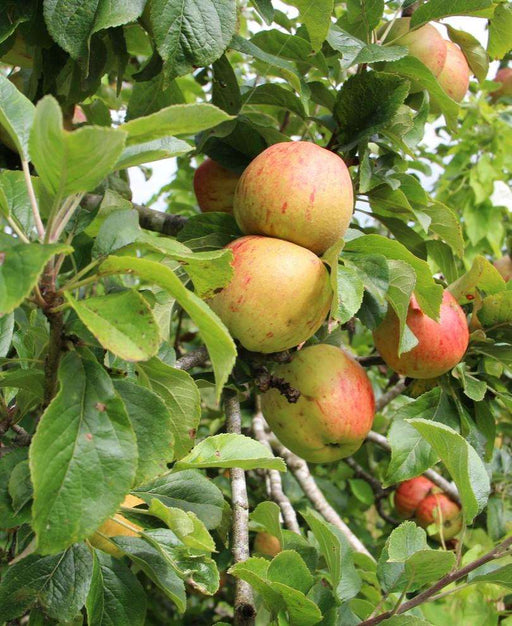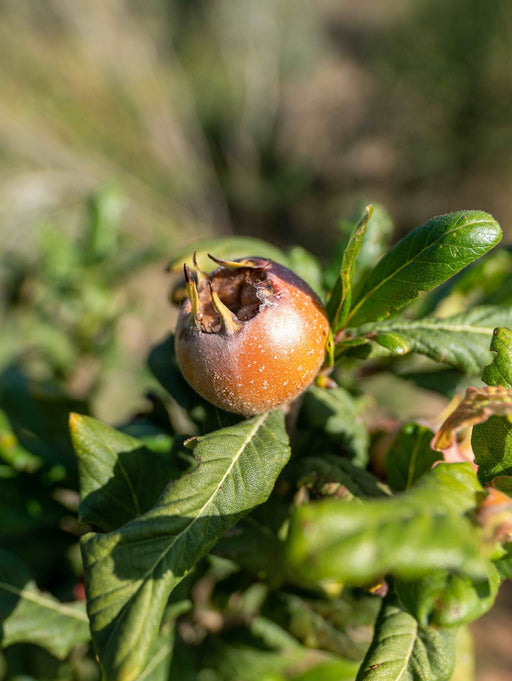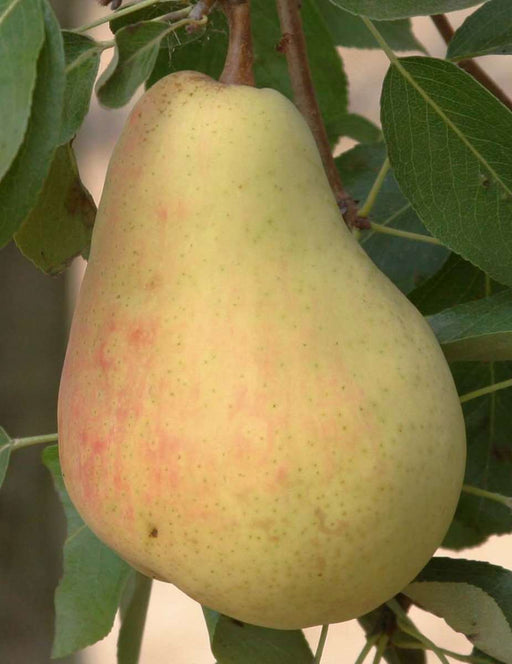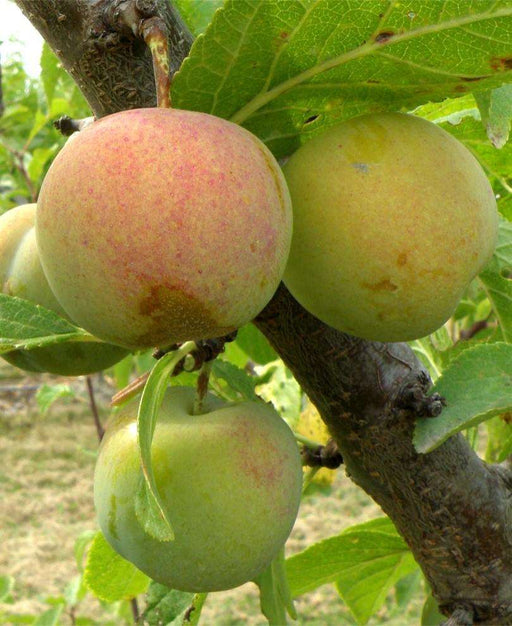

If you have ever thought about growing your own food, you've come to the right place! We pride ourselves on having one of the most extensive offerings of rare and unique trees from all over the world. If you are new to growing fruit trees, feel free to call us and we will help you get started on your journey.
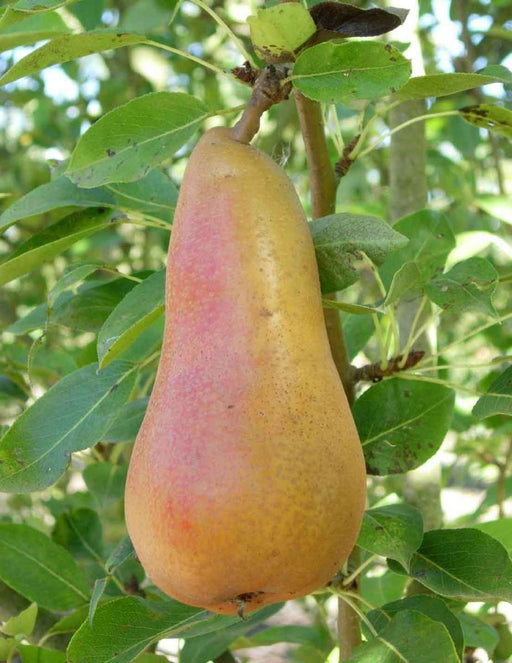
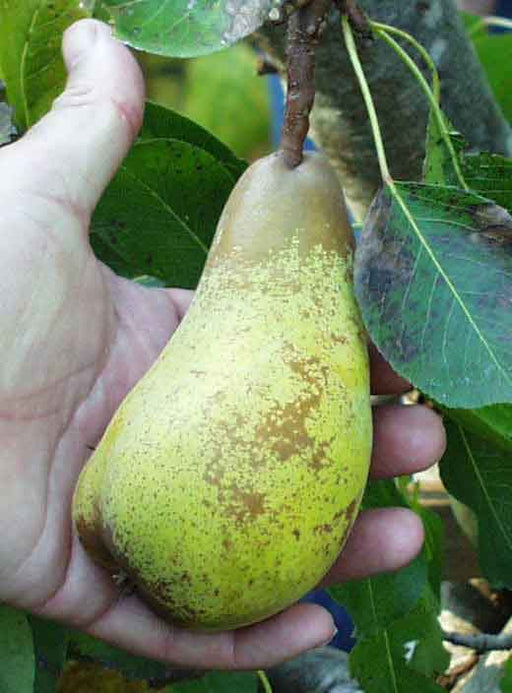
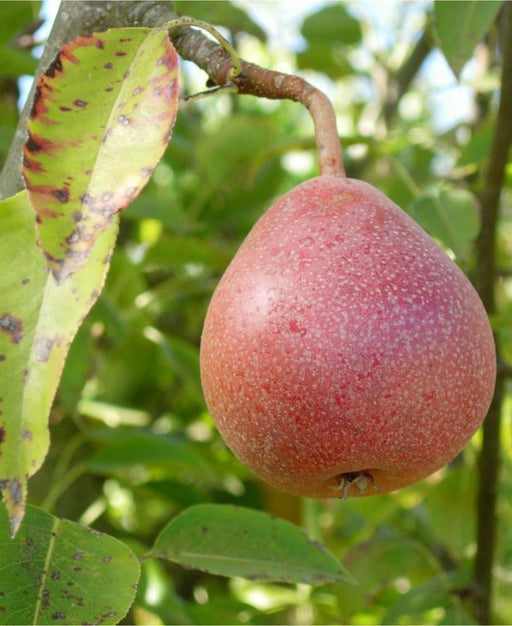
Pyrus communis 'Abbe Fetel' Named for the French Abbot who developed the cultivar in 1866, it is today the leading pear variety in Italy. Italians ...
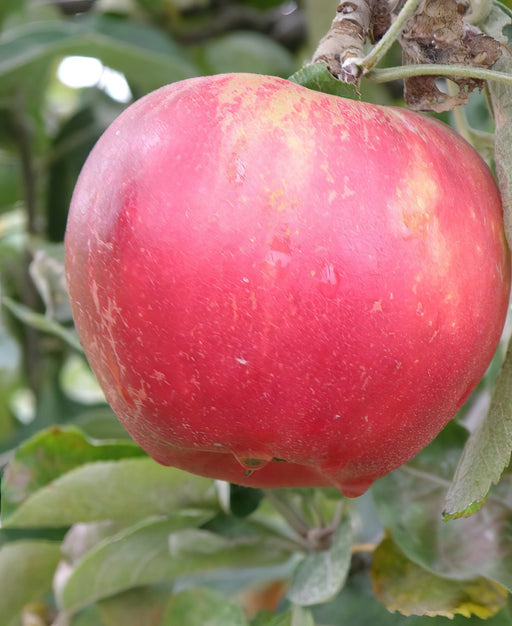
View full detailsMalus domestica 'Akane' Pronounced 'ah-kah-nay,' this firm, crisp and fully-flavored red eating apple produces good crops every year, no matter how...
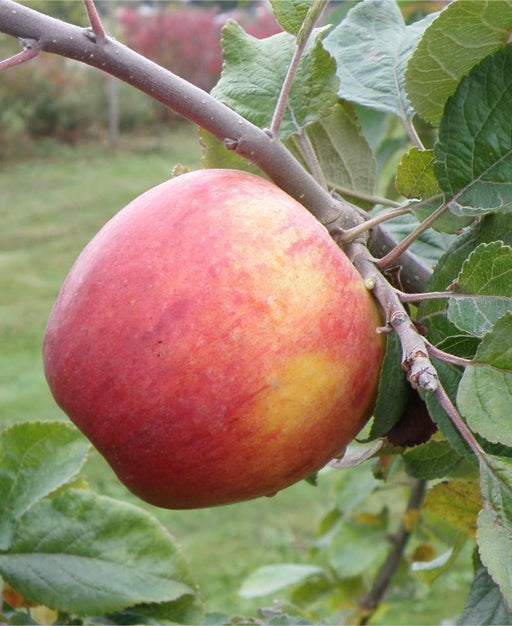
View full detailsMalus domestica 'Alkemene' This Cox's Orange cross from Germany has become a favorite at the WSU Mt. Vernon fruit testing station for its many supe...
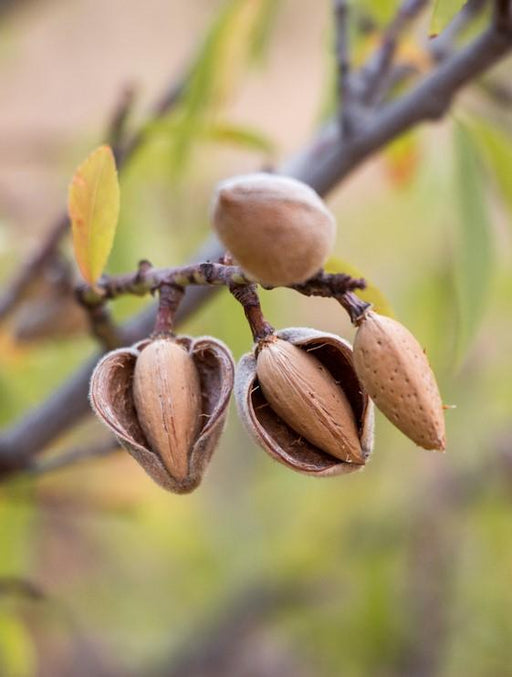
View full detailsPrunus dulcis 'All In One' Prohibited to AZ A self fertile, soft-shelled, sweet almond. All in One is hardy in the Pacific Northwest and in warmer ...
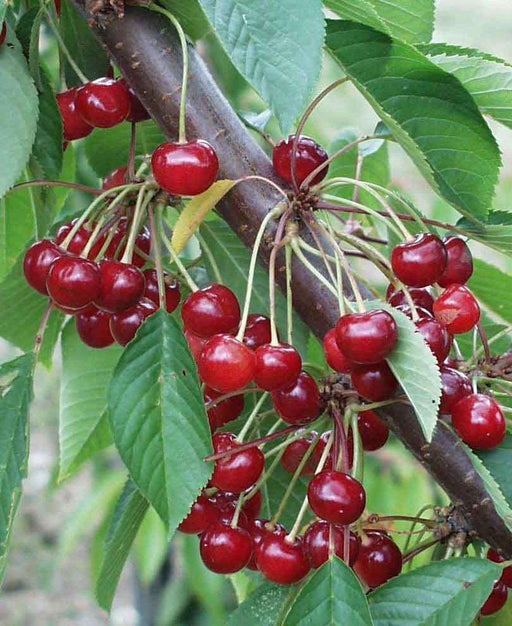
View full detailsPrunus x 'Almaden Duke' A modern sweet/tart cherry in the heritage Duke style, it was provided to Raintree by Andy Mariani and discovered in the Al...
View full detailsMalus domestica 'Almata' Believed to have originated in Kazakhstan, specifically in the region around the city of Almaty (formerly known as Alma-At...
View full detailsMalus domestica 'Ananas Reinette' An heirloom variety of yellow apple originally discovered in France in the 1500s, Ananas Reinette means “pineappl...
View full detailsPyrus communis 'Arganche' Among the most flavorful early-ripening pears at the National Pear Germplasm Repository in Corvallis, OR. This dainty ye...
View full detailsMalus domestica 'Arkansas Black' A favorite across the nation, this vintage apple's dark red fruit turns nearly blackish when it's fully ripe, and ...
View full detailsCydonia oblonga 'Aromatnaya' North American gardeners can now enjoy a quince with a pineapple-like flavor that is sweet enough to eat fresh. The me...
View full detailsMalus domestica 'Ashmead's Kernel' The incredible sweet-tart flavor of this superb heirloom apple has made it a connoisseur's favorite. Discovered ...
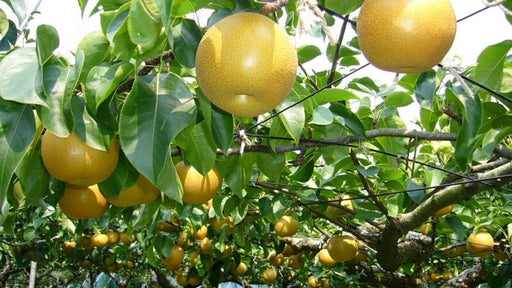
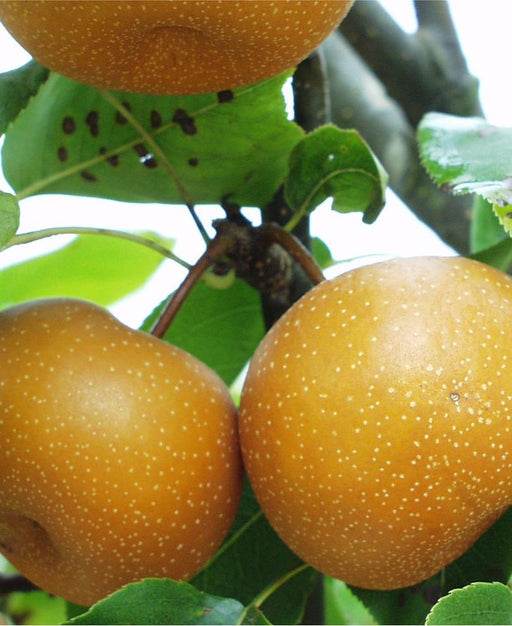
View full detailsPyrus pyrifolia 'Atago' A substantial crop of large, high quality, delicious fruit ripens late in the season. Atago has been a star in the Mt. Vern...
View full detailsPyrus communis 'Atlantic Queen' This old time pear cultivar earns its royal appellation for the huge, up to 1-1/2 lb. each, yellow-green fruit it p...
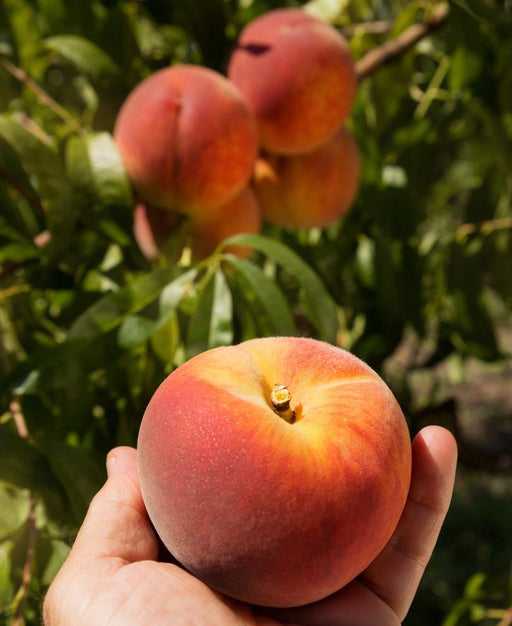
View full detailsPrunus persica 'Avalon Pride' Discovered as a chance seedling in 1981 in Issaquah, WA by Margaret Proud. Avalon Pride is a highly-flavored, yellow-...
View full detailsPyrus communis 'Ayer's' This old variety is favored in the South as the "sugar" pear because the pulp tastes like candy! Medium sized fruit is yell...
View full detailsPrunus persica 'Baby Crawford' The Baby Crawford peach offers dainty globes of yellow-blushed fruits that have an intensely rich flavor. These free...
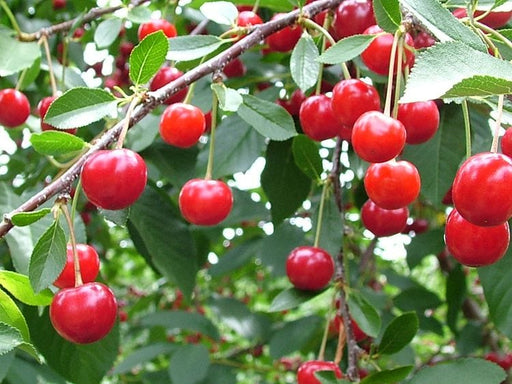
View full detailsPrunus cerasus 'Balaton'™ Balaton™ tart cherries are larger and firmer than most tart cherries, with a deep burgundy-red color throughout the skin ...
View full detailsMalus domestica 'Bardsey' This amazing apple comes from the windswept Bardsey Island off the coast of Wales. The tree grows in an area right next t...
View full detailsPyrus communis 'Barnett' Count on Barnett to mix it up at the pub! A small, mid-season, russetted, scab-resistant pear with low acids and tannins. ...
View full detailsPyrus communis 'Bartlett' The most popular pear in the U.S. and Canada, and also in Europe where its called Williams Pear. Usually self-fruitful an...
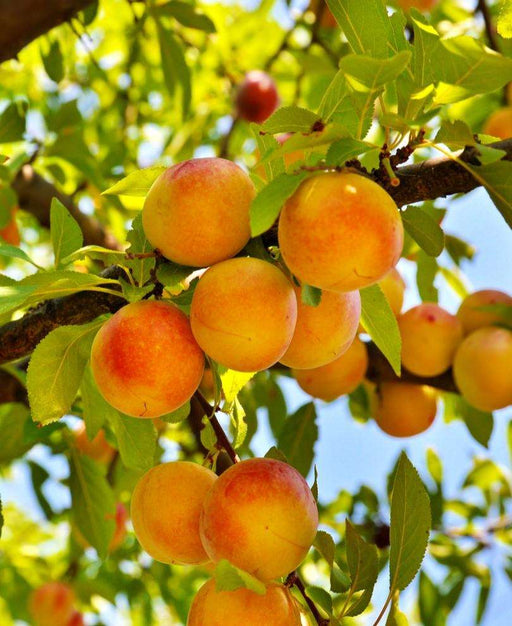
View full detailsPrunus salicina x 'Beauty' Beauty is one of the richest-flavored Japanese plums; a wonderful blend of sweet and tart that melts in your mouth. The ...
View full detailsPyrus communis 'Belle Di Guigno' While others wait until August for a ripe pear, you can enjoy this rich, buttery Italian delight in late June! Red...
View full detailsMalus domestica 'Rebella' Skilled breeding develops great apples! This large, elongated red apple has a wonderful combination of sweet and tart fla...
View full detailsMalus domestica 'Belmac' A new, productive, all-purpose Canadian cultivar that combines flavor and keeping ability with cold and disease resistance...
View full detailsMalus domestica 'Beni Shogun' Beni Shogun is a good friend to have - a sport of the ever-popular Fuji variety, scab and mildew resistant and a grea...
View full detailsPrunus persica 'Betty' A sweet, flavorful, and split pit-resistant peach was found as a seedling near Ferndale in Western Washington and was tested...
View full detailsPyrus communis 'Beurre Superfin' A sweet, buttery, spicy dessert-quality pear originating in France in 1837. A top connoisseur's choice for flavor,...
View full detailsPrunus avium 'Bing' The standard that sweet cherries are judged against - introduced in 1875 and still growing strong! The deliciously large, firm ...
View full detailsPrunus persica 'Black Boy' A rare, hardy, heritage peach cultivar that is leaf curl resistant and has a wonderfully rich flavor. Dark reddish purpl...
View full detailsPrunus avium 'Black Gold' We love the flavor and productivity of this large, firm, deep red (almost black), disease-resistant sweet cherry. A delic...
View full detailsPyris communis 'Blake's Pride' A reliable harvest of aromatic, juicy fruit that melts in your mouth, and excellent resistance to fireblight give th...
View full detailsUSDA Zone: 5-9 Grow Height: 12' Sun: Full Sun Ripening Time: September Pollination: Needs a Pollinizer Rootstock: St. Julian A Click here to re...
View full detailsPrunus domestica ssp. insititia 'Blues Jam' This amazing tree produces so many fruits, they look from a distance like thick, dark blue ropes coveri...
View full detailsMalus domestica 'Blushing Delight' Blushing Delight™ has sweet flavor and a pretty red blush over a green background. It ripens mid-September. Urb...
View full detailsPyrus communis 'Bosc' A firm-fleshed, flavorful pear with a beautiful brownish russetted skin and a crunchy texture. Some prefer it to the smooth t...
View full detailsMalus domestica 'Bramley's Seedling' The English are particular about their cooking apples, and this large, round, green-yellow apple with red stri...
View full detailsMespilus germanica 'Breda Giant' A native to Holland, this small, self fertile tree will grow to about 10 feet and display white flowers which prod...
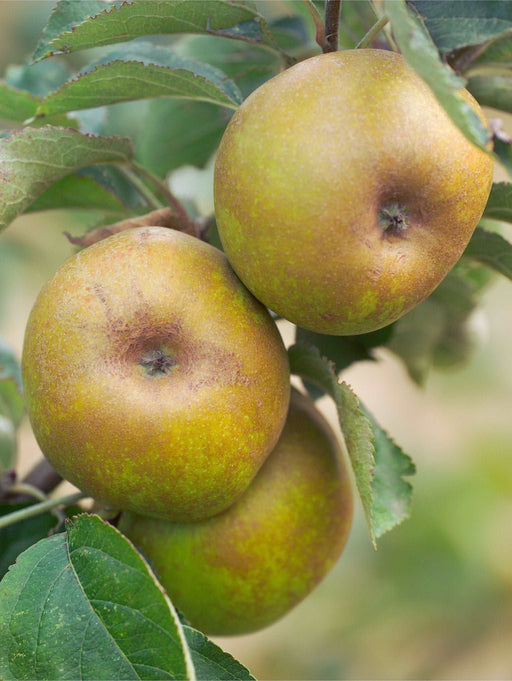
View full detailsMalus domestica 'Brown Russet' Grow a piece of history! Originating in England before 1567, this tasty, heavily russetted apple, also known as Roya...
View full detailsPyrus communis 'Butirra Precoce Morettini' A spectacular low chill variety direct from Italy! An amazing find, this sweet, spicy pear is large in s...
View full detailsPrunus domestica 'Cambridge Gage' An original English Gage! Unlike most of the Gage family that ended up in England by way of Italy and then France...
View full detailsMalus domestica 'Campfield' A medium-to-large size, 'bittersweet' cider apple, greenish yellow with a red blush. The flesh is white, firm, sweet an...
View full detailsPrunus fruticosa x Prunus cerasus 'Carmine Jewel' Carmine Jewel is a revelation, combining the lusciousness of sweet cherries with the complex flav...
View full detailsPyrus communis 'Cascade' Now you can enjoy a "cascade" of gorgeous red pears for the holidays! Cascade is a stunning, red-skinned pear that is a cr...
View full detailsMalus domestica 'Centennial' Be prepared for heavy crops of small, sweet, oval-shaped fruit! Use these crispy, juicy, white-fleshed apples for cann...
View full detailsMalus domestica 'Chehalis' An excellent choice for organic growers who like a very large, sweet, yellow apple. This old favorite was discovered nor...
View full detailsMalus domestica 'Cherry Cox' Put this Cherry on top - of your list of apple trees! A medium-size, round, deep red apple that is consistently produc...
View full detailsPrunus armeniaca Also known as the Chinese Golden, Mormon or Large Early Montgamet apricot, although its actual origins may be lost to time. It is...
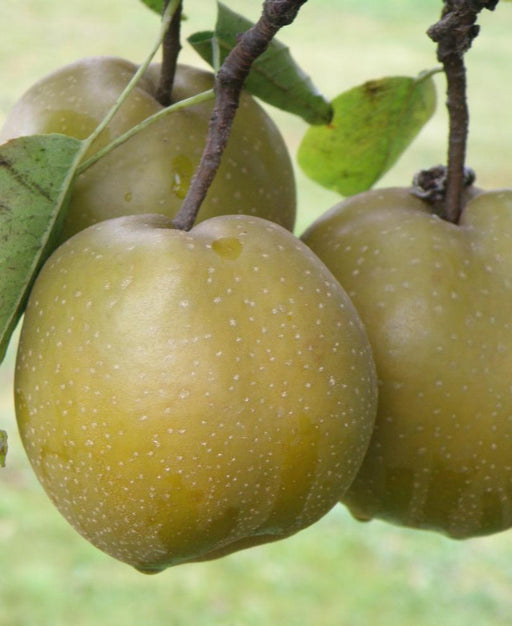
View full detailsPyrus pyrifolia 'Chojuro' We love the rich, distinctive, aromatic flavor of this prolific traditional Japanese favorite. Sometimes called 'Old Worl...
View full details