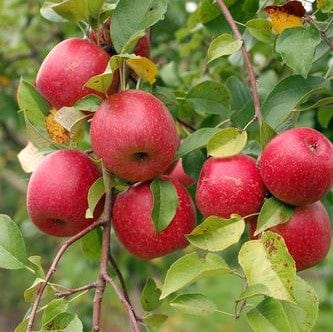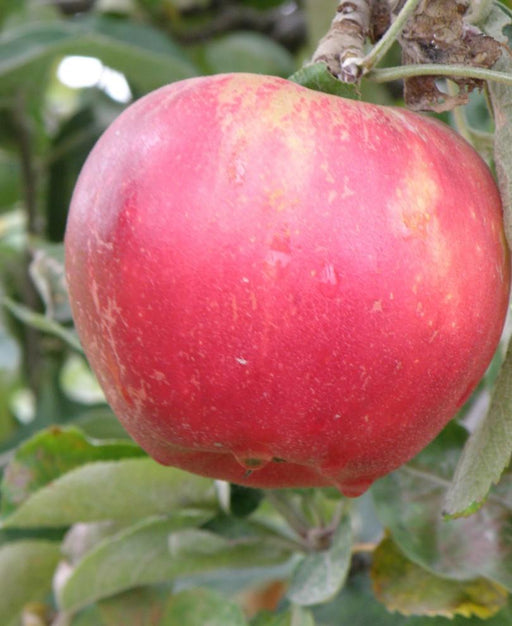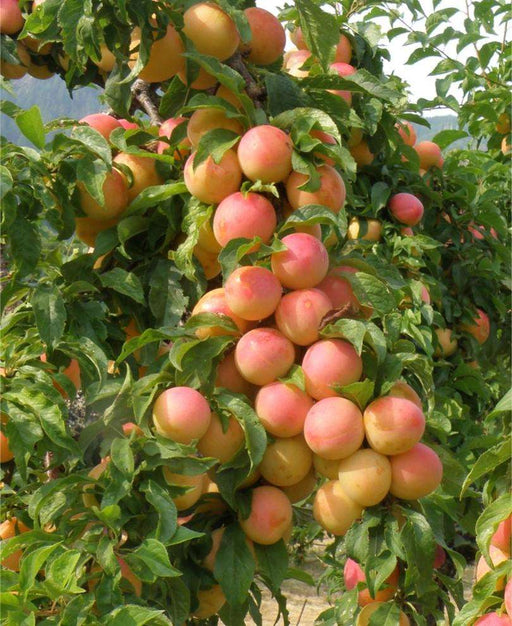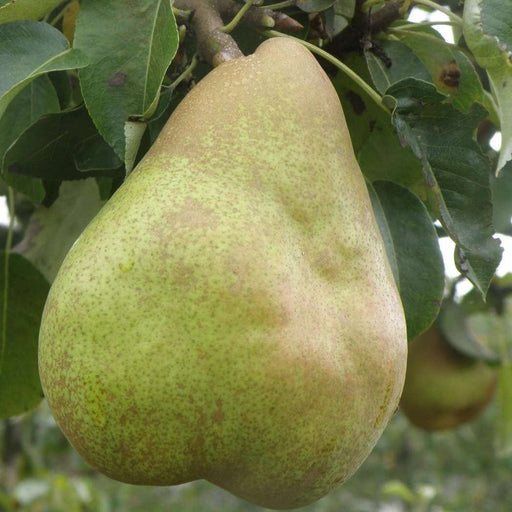

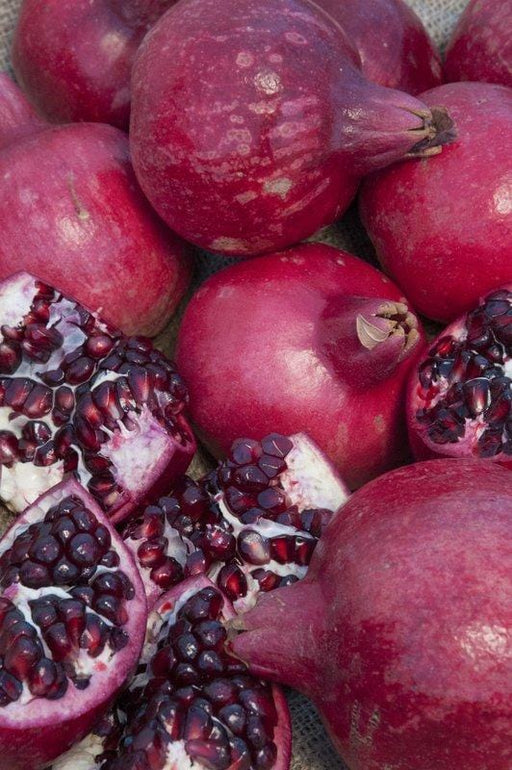
Punica granatum 'Parfianka' Parfianka is highly prized for its delicious, sweet flavor (with a hint of tartness), its small, soft, edible seeds, an...
View full details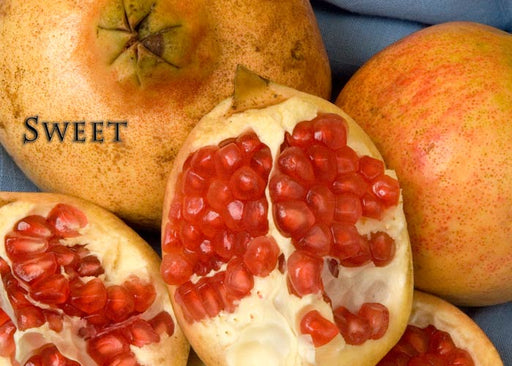
Punica granatum 'Sweet'Sweeter fruit than Wonderful, with better fruit quality in cool-summer climates. Luscious fruits offer pink juice; fruit app...
View full details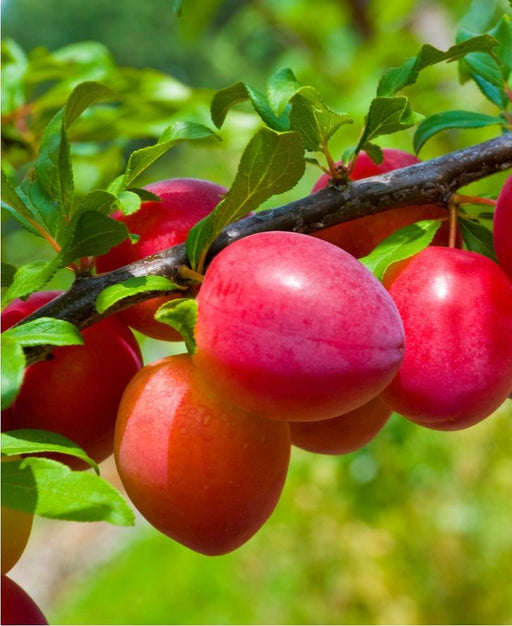
Prunus salicina Asian plum trees have a wide, graceful form. Add the lantern-looking yellow, red and purple fruit of this self-fertile tree and you...
View full details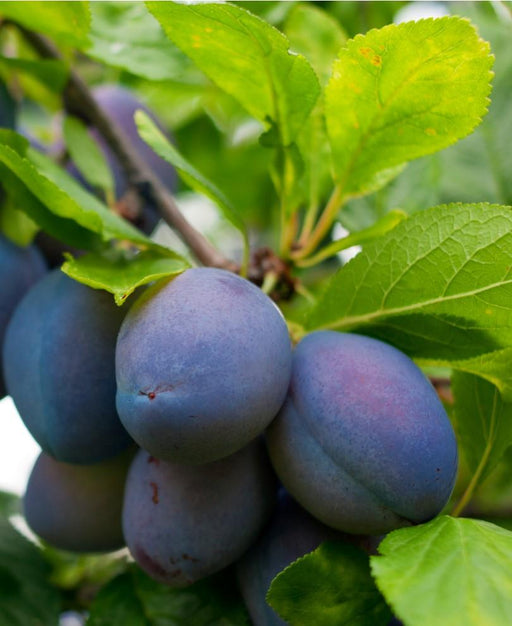
Prunus dom. This self-fertile, hardy tree on semi-dwarf rootstock will grow 12-15' tall and provide loads of red and purple fruit for canning, dryi...
View full details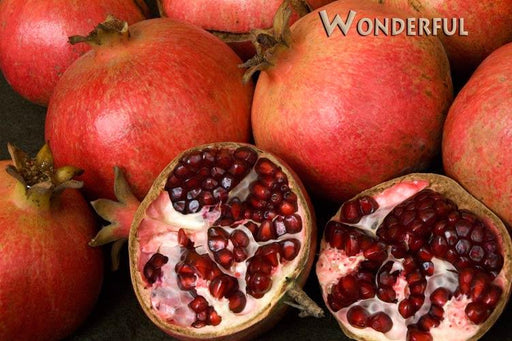
Punica granatam 'Wonderful' Wonderful is the most popular variety that commercial growers use for juice production. A multi-stemmed shrub and a bea...
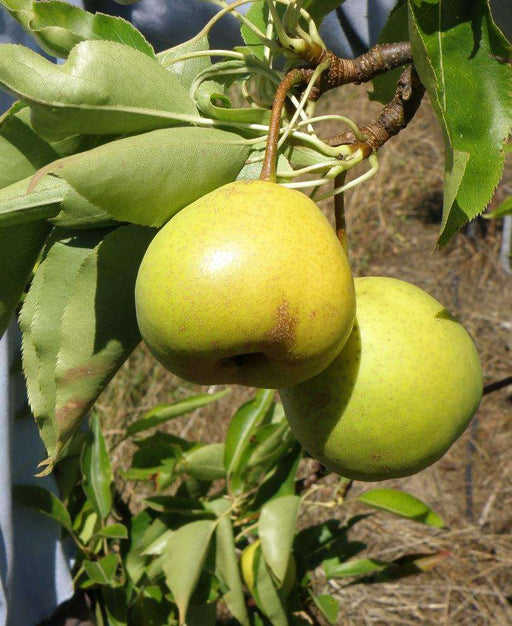
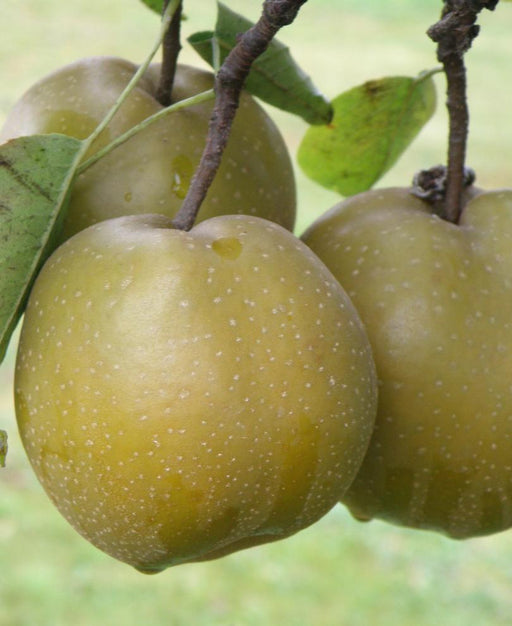
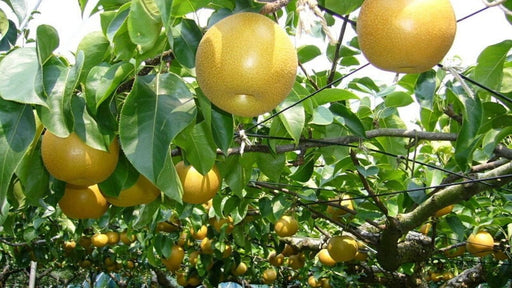
View full detailsPyrus pyrifolia spp. Asian pears, also marketed as "pear apples", are a favorite fruit among kids and adults alike. Crunchy, juicy, and refreshin...
View full details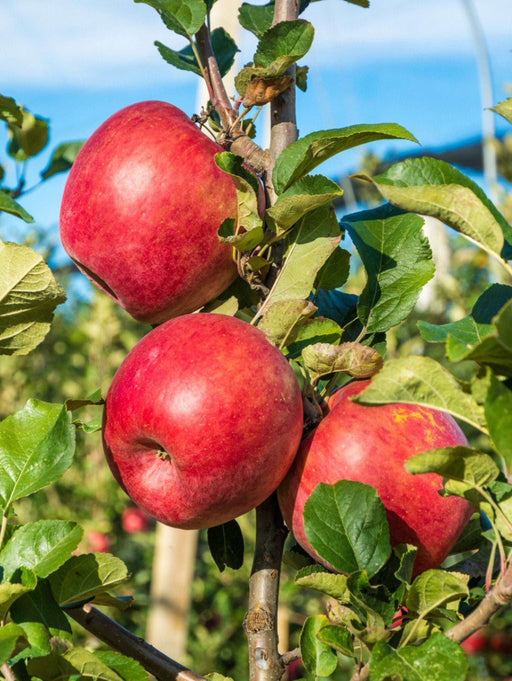
Malus domesticus 'Maslin' Early Pink Lady is true to its name! Ripening 3-4 weeks ahead of the rest of the varieties that are all sold under the Pi...
View full details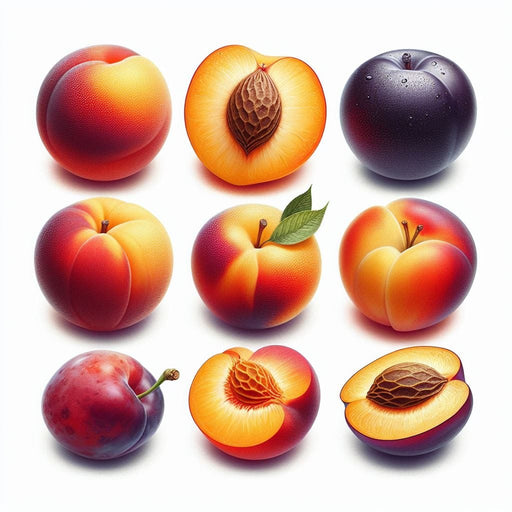
Enjoy at least 5 of the following 7 varieties: Frost Peach, Puget Gold Apricot, Hardired Nectarine, Harcot Apricot, Nadia Plum, Shiro Plum and/or I...
View full details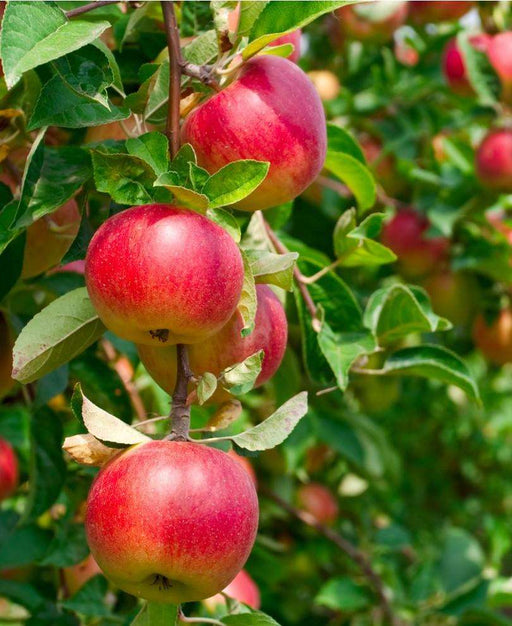
Malus domestica You will receive FIVE of the following heritage varieties: Arkansas Black, Newtown Pippin, Wolf River, Roxbury Russet and Johnny A...
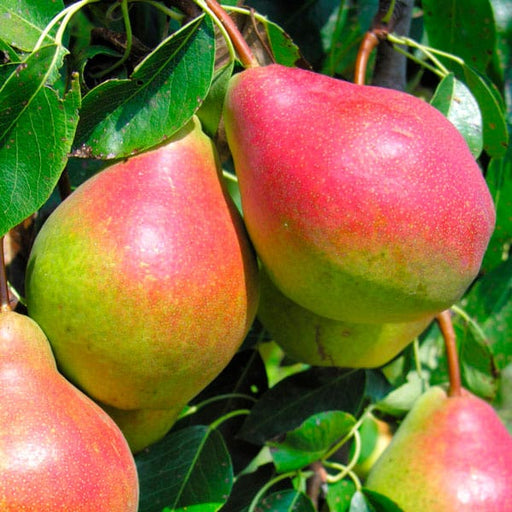
View full detailsPyrus communis spp. "Summer pears" differ from "winter pears" in how long they take to ripen once picked. While both kinds of pears are harvested a...
View full details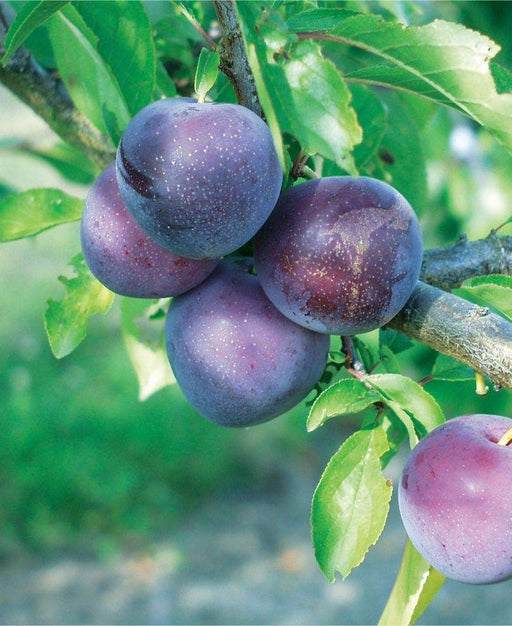
Prunus salicina x 'Methley' Methley is the most reliable and easiest-to-grow fruit tree we offer. Every year in July, before any other tree fruit i...
View full details
Please Note: Rootstocks are sold separately. Custom Grafts orders must include one rootstock per custom graft. Example: 3x Custom Graft - 9.9...
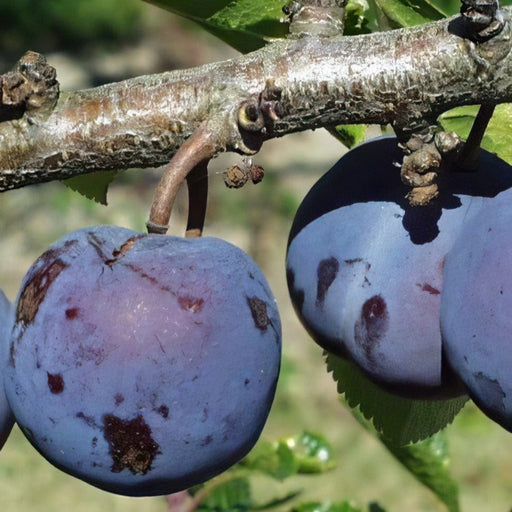
View full detailsPrunus spp. Long before apples and pears ruled the roost, plums were king all over Europe. Prized for their wide variety of textures, colors, flavo...
View full details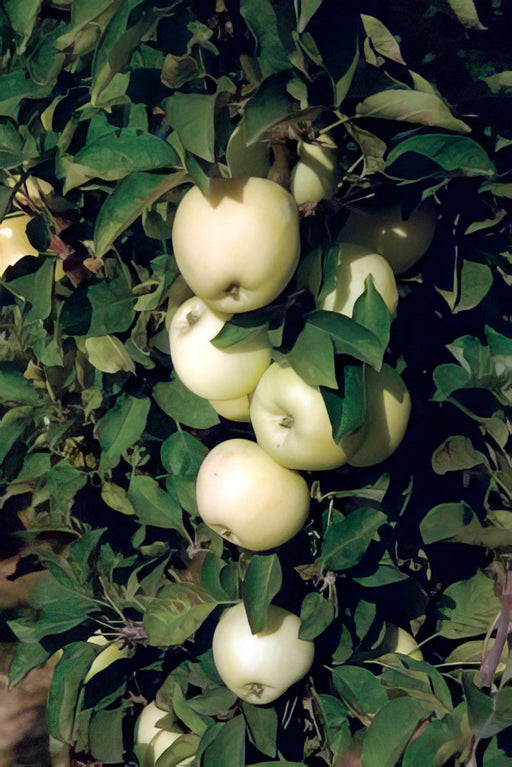
Malus domestica 'White Icicle' The White Icicle Columnar Apple is a unique and attractive variety of apple tree that is prized for its slender, up...
View full details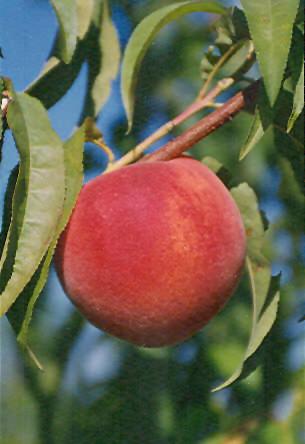
Prunus persica 'Early Redhaven' This will ripen about 2 weeks earlier than the standard favorite Redhaven, but has the same great flavor and firm y...
View full details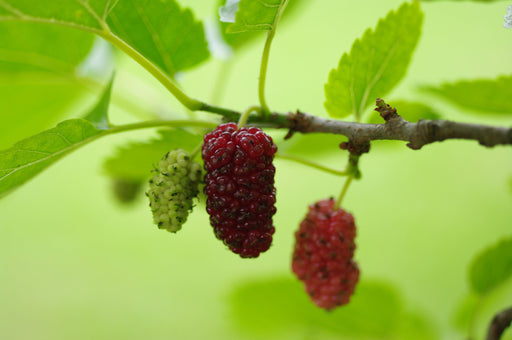
Morus macroura 'Red ShahToot' The Persian Mulberry tree, also known as the ShahToot, is well-known for producing delicious, wide, juicy fruits wit...
View full details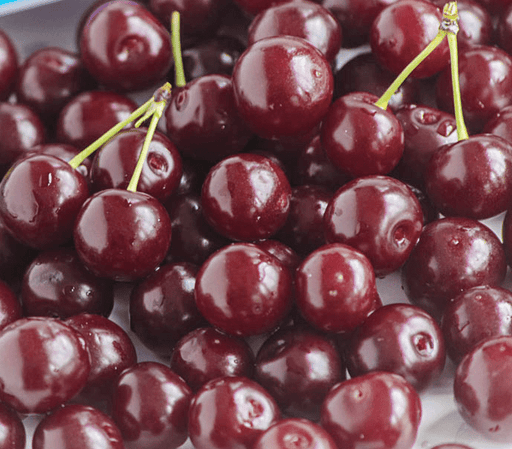
Prunus avium 'Angela® Cherry' Medium-bright, sweet black fruit in mid-July. White bloom. Likes rich, well-drained soil. Hardy to USDA Zone: 5 Matur...
View full details
Enjoy at least 3 of the following 7 varieties: Frost Peach, Puget Gold Apricot, Hardired Nectarine, Harcot Apricot, Nadia Plum, Shiro Plum and/or I...
View full details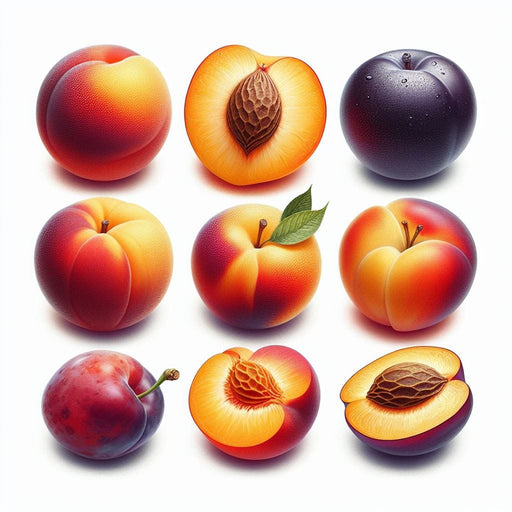
Enjoy at least 4 of the following 7 varieties:Frost Peach, Puget Gold Apricot, Hardired Nectarine, Harcot Apricot, Nadia Plum, Shiro Plum and/or It...
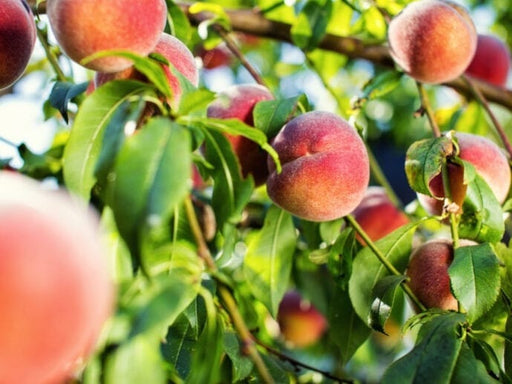
View full detailsPrunus persica Summer time means fun in the sun, road trips, beach blankets, and grandma's peach pie in the window. Now you can make your own mem...
View full details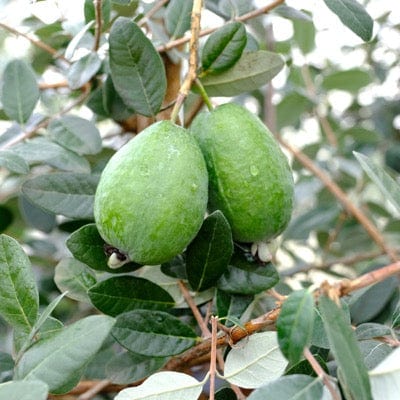
Acca sellowiana 'Unique' This classic New Zealand variety is prized for its abundant crops of smaller, sweet, very flavorful fruit. Self-fertile an...
View full details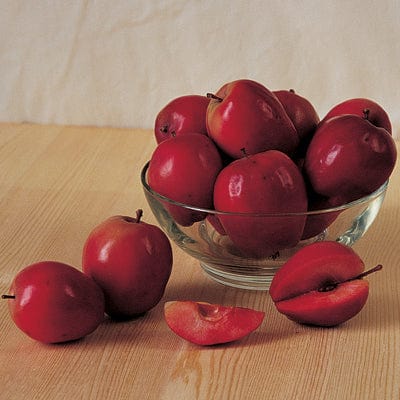
Malus domestica 'Firecracker' Originally known as Bill's Red Flesh Crab, and Scarlet Surprise, Firecracker™crabapple offers an intense, sweet-tart ...
View full details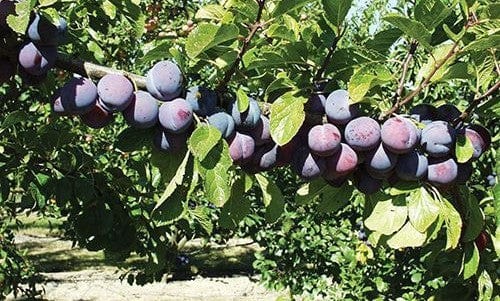
Prunus domestica 'Gras Ameliorat' Gras Ameliorat is a delightful European plum that ripens in mid-September in Ithaca, NY. It is about the size of ...
View full details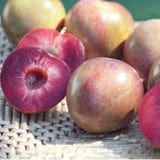
Prunus salicina 'Elephant Heart' Elephant heart plums are bigger than most plums and usually measure 7-8cm across. The shape is oblong with rounded...
View full details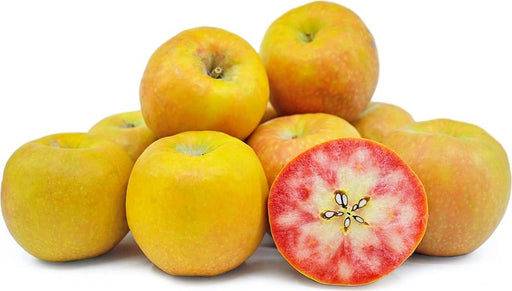
Malus domestica Lucy™ Glo apples are a specialty Rosaceae hybrid that is medium to large in size, with a diameter of 7-10cm. They have a round-coni...
View full details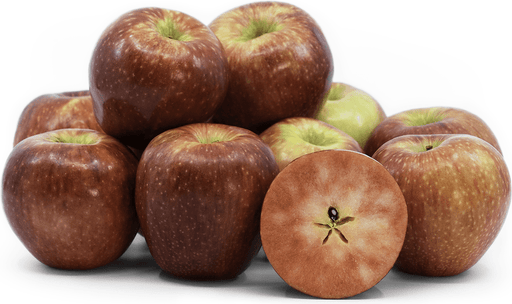
Malus domestica Lucy™ Rose is a unique apple variety that boasts a sweet and slightly tart flavor with a hint of berry, a beautiful red exterior, a...
View full details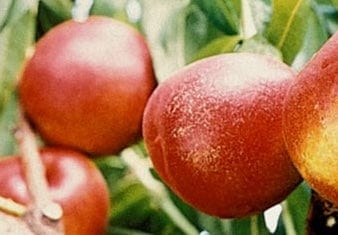
Prunus 'Honey Kist' The Honey Kist Nectarine is a yellow-skinned fruit that ripens early in the season, featuring ruby, pink, and gold hues. It has...
View full detailsMalus domestica spp. East meet West! The best apples to come out of the US and Japan, Honeycrisp and Akane, are bundled here together with the colu...
View full detailsMalus domestica spp. WA State Residents Only - Cosmic Crisp cannot be shipped or sold outside of WA! Two of the crunchiest and most popular apples ...
View full detailsPrunus spp. Asian plums are overflowing with history, symbolism, and meaning (and flavor too)! Be it peace, prosperity, wealth, or courage plums ha...
View full detailsPyrus communis spp. Winter pears are some of the best in the world! Winter pears, called such because of their late ripening time and superior ke...
View full detailsPyrus pyrifolia spp. Asian pears, the ancient ancestors of our modern European pears are at once familiar and totally unique! Highly prized in Japa...
View full details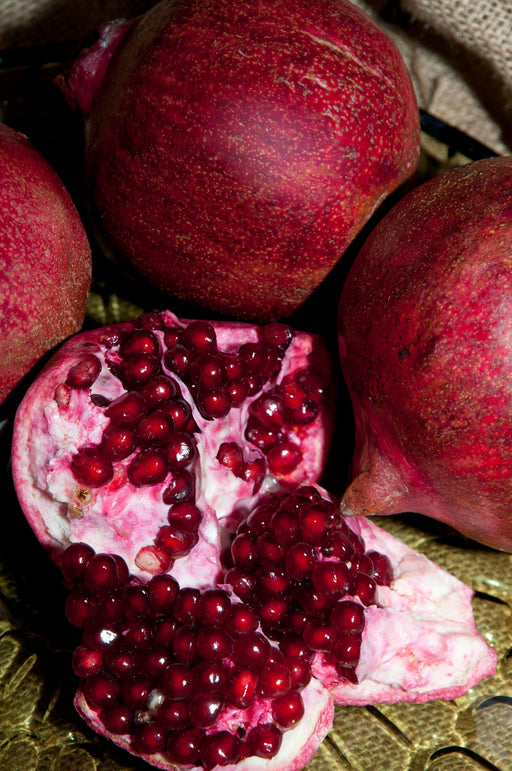
Punica granatum 'Eve' Another great variety developed by the University of California. Large size fruit, bright red exterior, deep red arils. The f...
View full details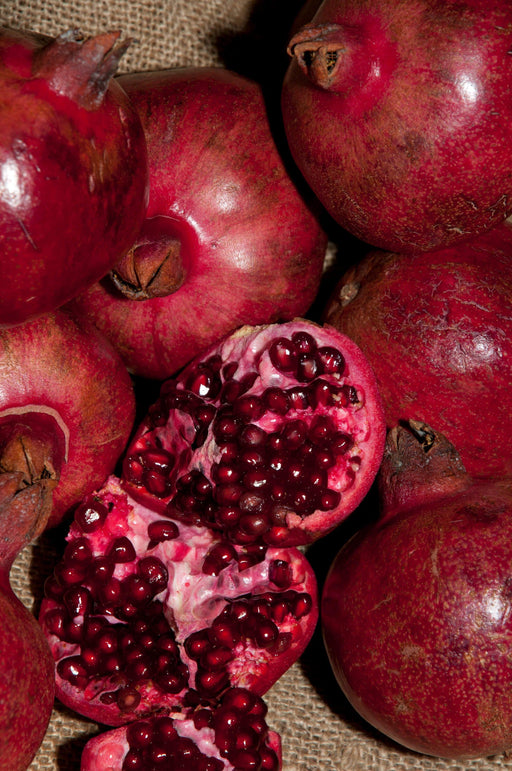
Punica granatum 'Cranberry' Developed by the University of California, the fruit is medium-sized, with a cranberry red exterior, mild acidity and g...
View full details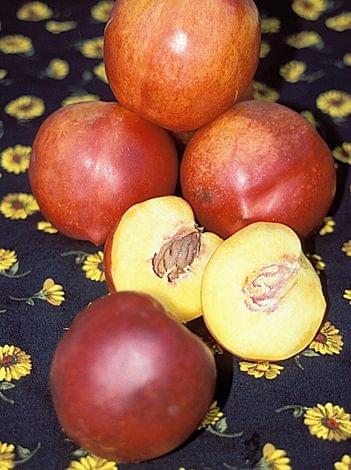
Introducing the Nectar Babe Miniature Nectarine, a true marvel of nature's sweetest bounty. This delightful fruit is a miniature version of the cla...
View full details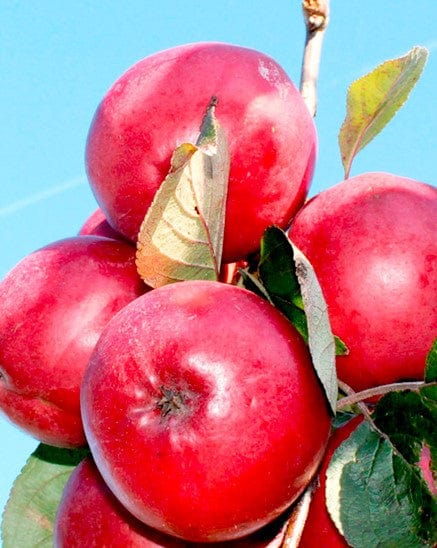
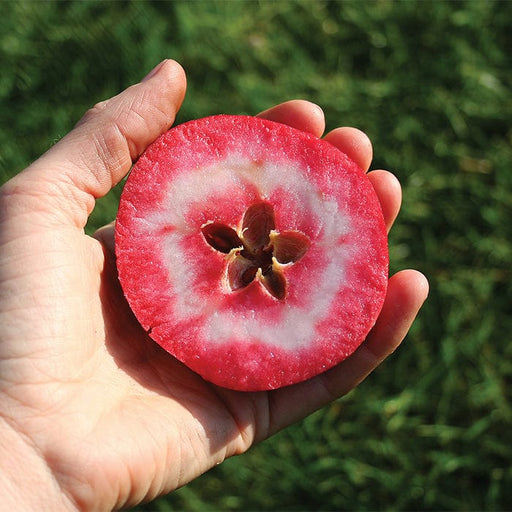
Malus domestica 'Redlove Odysso' Swiss breeder Markus Kobelt has done it again! A new member of the Redlove family of red-fleshed apples is Redlove...
View full details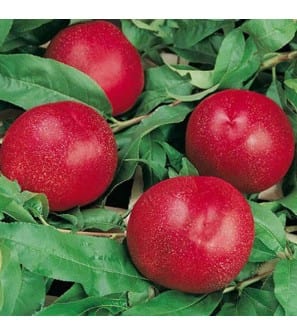
Prunus persica var. neupersica 'Morton' With its sweet pink blooms in spring, and luscious fruits in summer, Morton nectarine is your new best frie...
View full details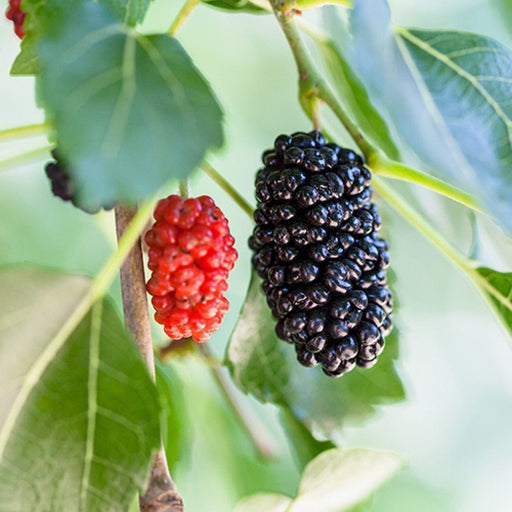
Morus spp. 'Dwarf Everbearing' Small space requirements, but full-sized berries. This tree makes baskets of medium, black mulberries so sweet there...
View full details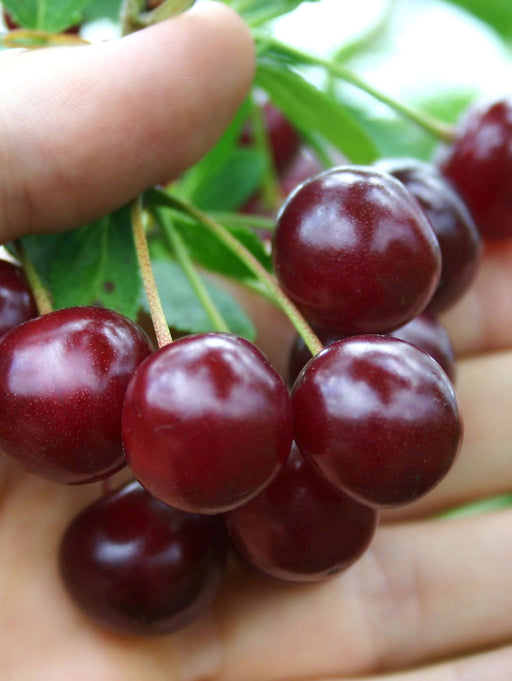
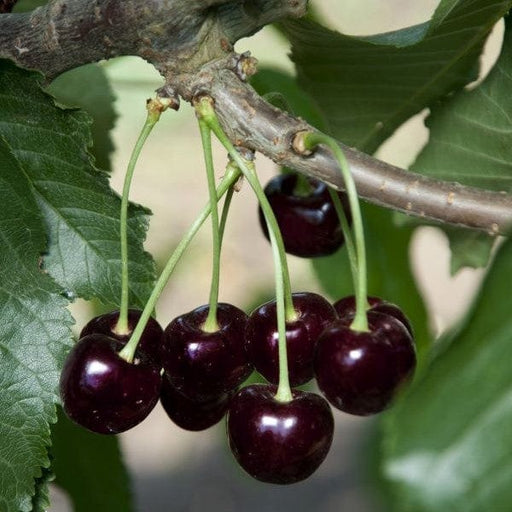
Prunus avium 'Black Tartarian' Black Tartarian is an heirloom variety of sweet cherry. It originated in Russia, where it grows native in the Circas...
View full details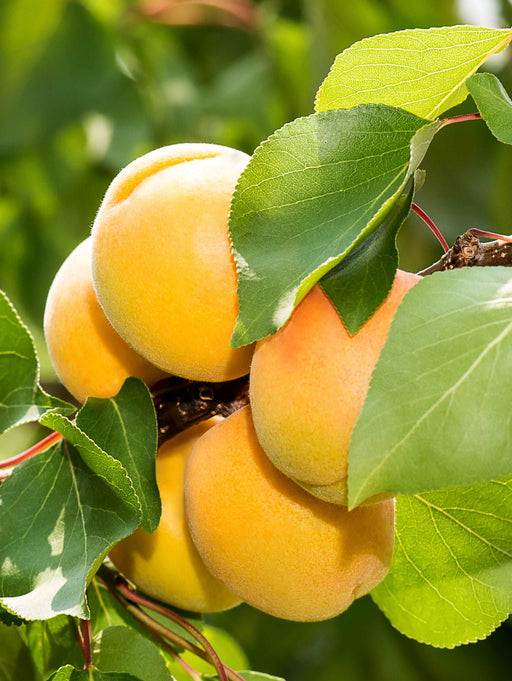
Prunus armenica 'Gold Kist' These plum-sized, orange, freestone fruits, originally from California in the 1960's, are the first apricots to ripen ...
View full details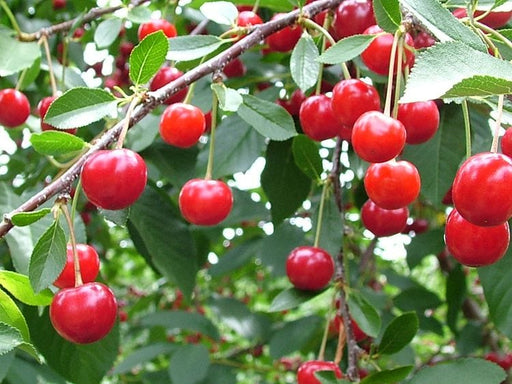
Prunus cerasus 'Balaton'™ Balaton™ tart cherries are larger and firmer than most tart cherries, with a deep burgundy-red color throughout the skin ...
View full details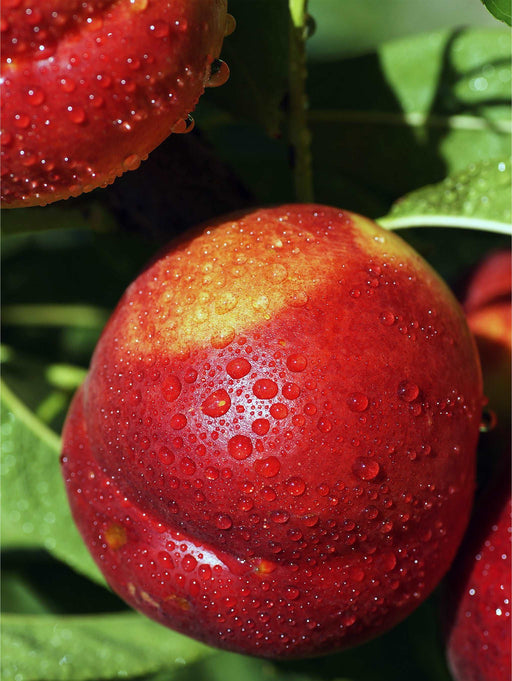
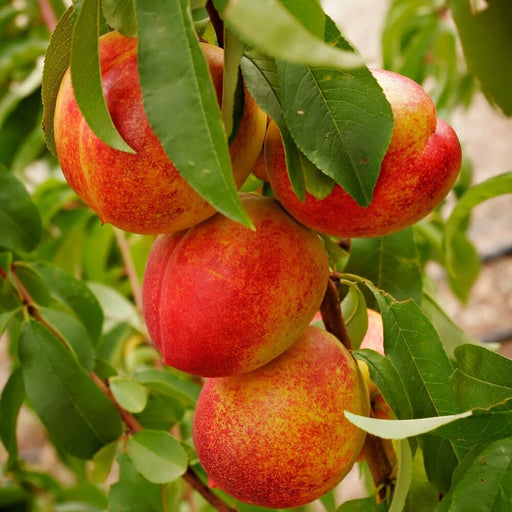
Prunus persica var. neupersica 'Flavortop' Top rated flavor is what Flavortop is all about! Get your tastebuds ready for an explosive experience, b...
View full details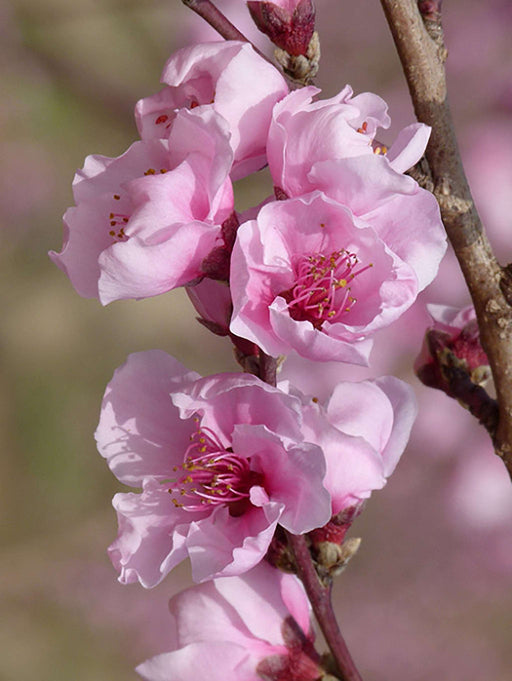
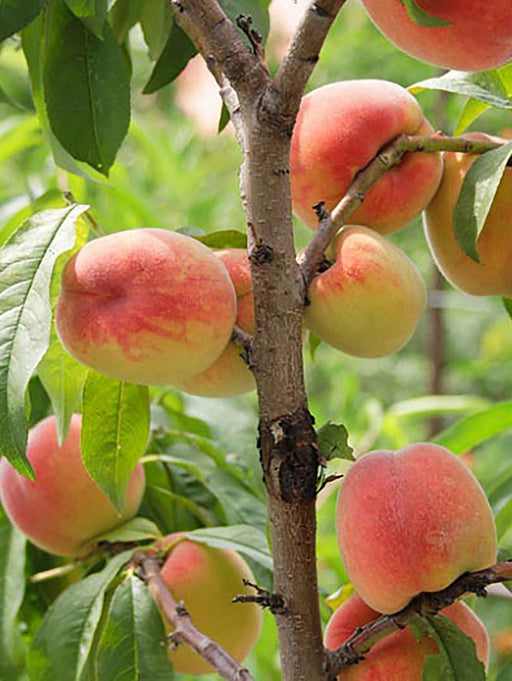
Prunus persica 'Reliance' Cold climate growers have relied on Reliance since the 60's! Reliance peaches are mild and sweet with a distinct peach fl...
View full details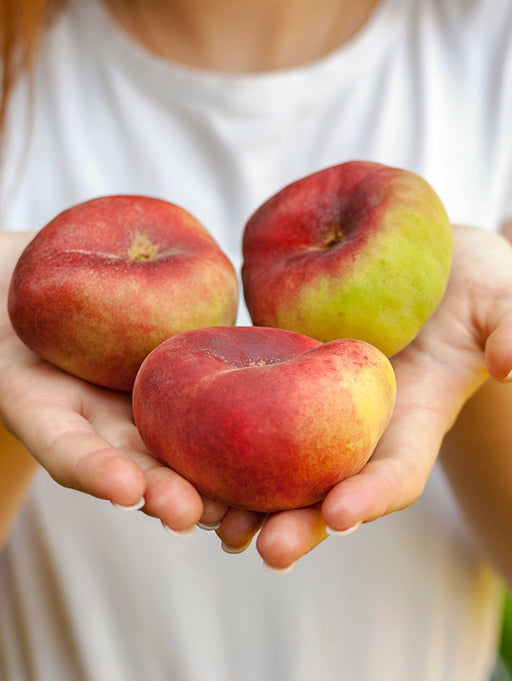
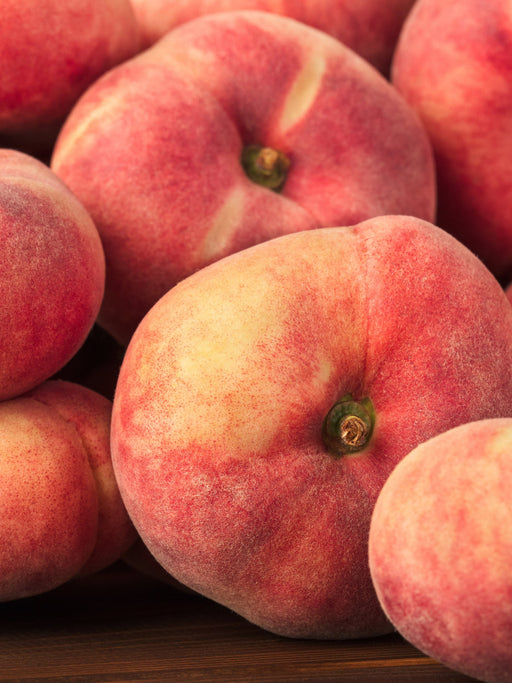
Prunus persica 'Galaxy' Galaxy peaches are out of this world! These donut style peaches are one of the very best cultivars for intense, sweet flavo...
View full details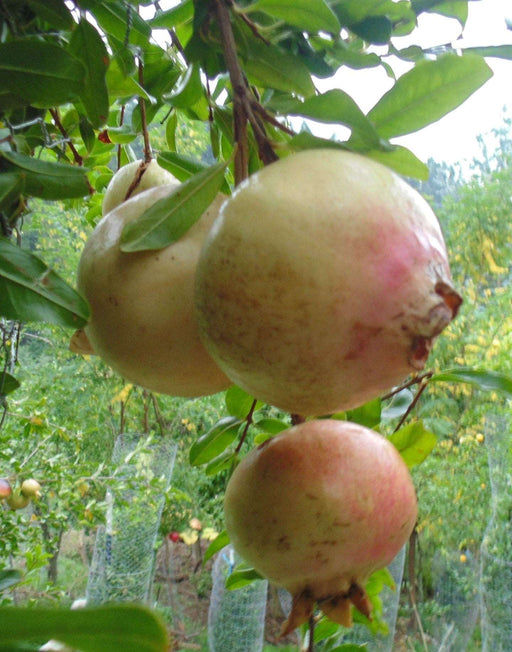
Punica granatum 'Azadi' From Turkmenistan, Azadi bears med-large, very sweet fruits, with just a little astringency, that ripen to an unusual yello...
View full details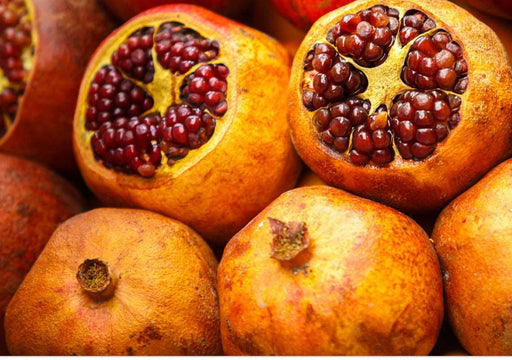
Punica granatum 'Sirenevyi' The tall, upright-growing plants of Sirenevyi, from Turkmenistan, are not as productive, and produce smaller pink-peach...
View full details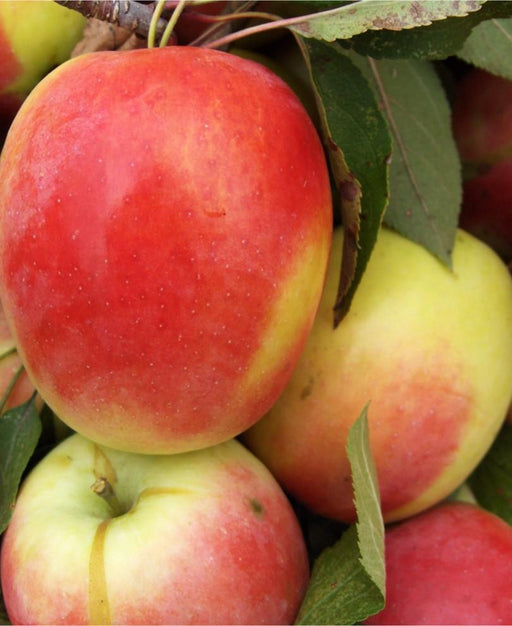
Malus domestica 'Kandil Sinap' Kandil Sinap, the “sweet apple of Sinap”, was discovered on the Sinap peninsula of the Black Sea, in what is now Tur...
View full details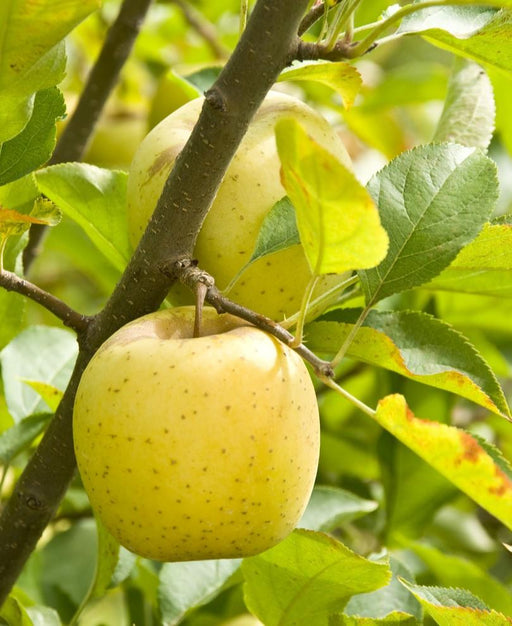
Malus domestica 'Ananas Reinette' An heirloom variety of yellow apple originally discovered in France in the 1500s, Ananas Reinette means “pineappl...
View full details