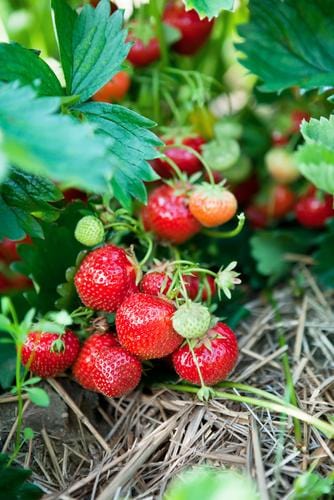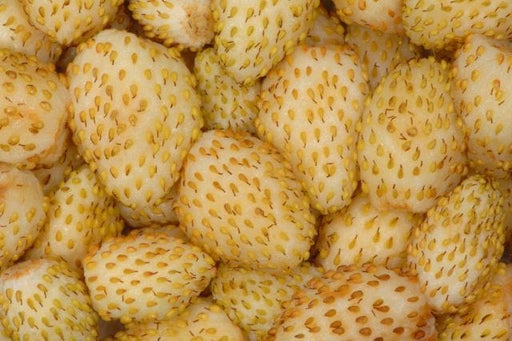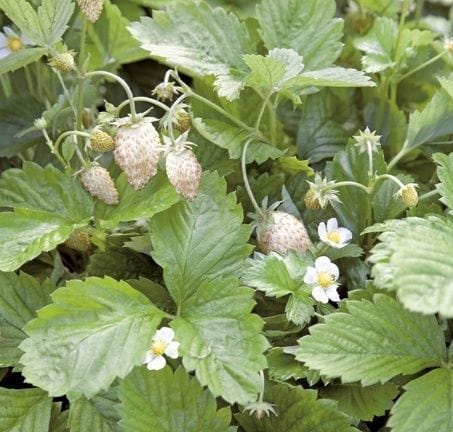

Fragaria moschata 'Capron' The musk, or hautbois strawberry, is a species of strawberry native to Europe - found growing from Scandanavia, into Eas...
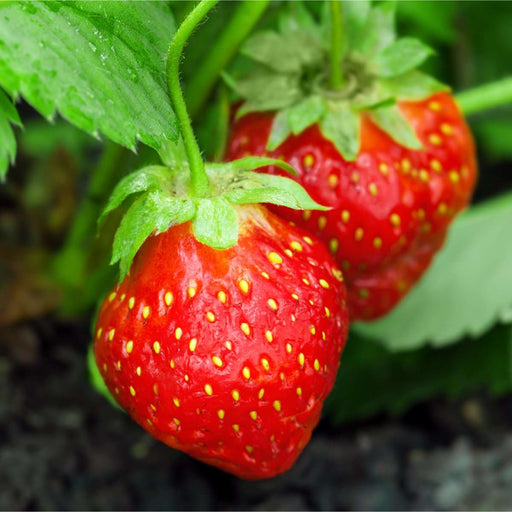
View full detailsFragaria ananassa 'Holiday' Experienced gardeners have asked us to bring back Holiday for its firmness and outstanding flavor. It was popular after...
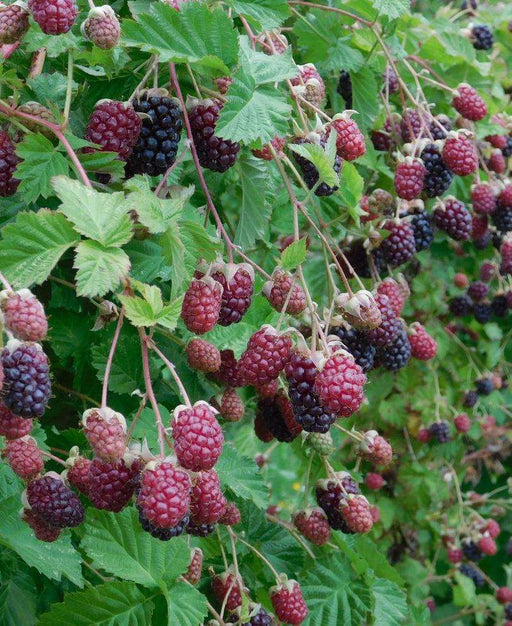
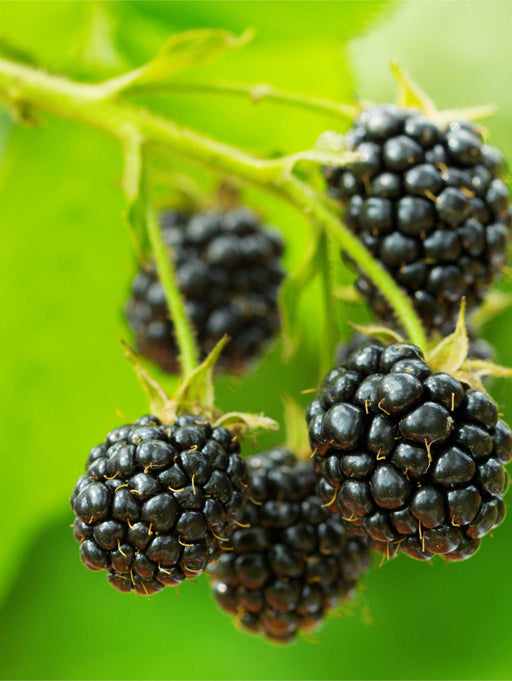
View full detailsRubus L. subgenus Rubus Although thorny, Marionberry has such an incredible, rich, consistently sweet flavor that many people prefer it to any othe...
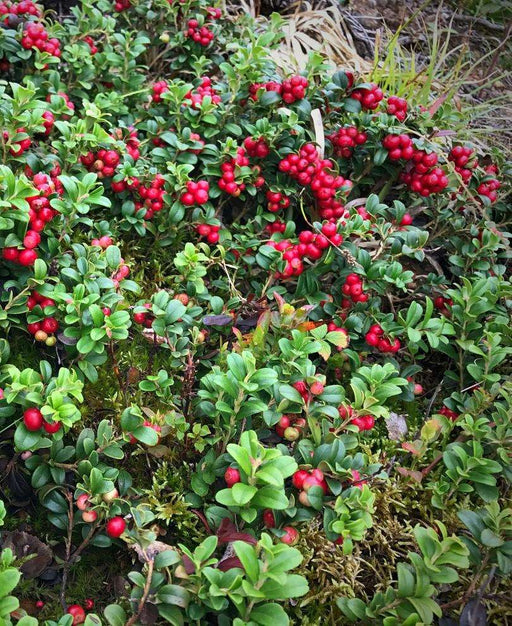
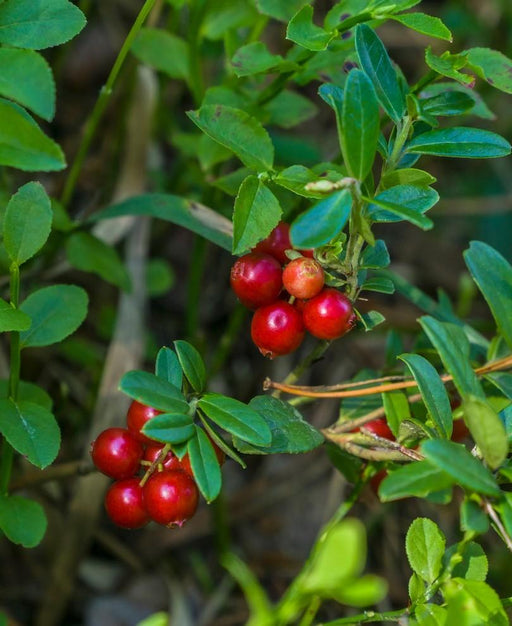
View full detailsVaccinium vitis-idaea 'Koralle' A popular, vigorous, bushy plant with an upright growth habit (12" to 15" tall) that makes it easy to harvest. It p...
View full detailsIrene™ Rosemary is a standout variety of rosemary known for its trailing habit, making it ideal for cascading over walls, containers, or as a fragr...
View full detailsSpice Island Rosemary is an outstanding, upright variety prized for both its bold flavor and beautiful appearance. This culinary rosemary produces ...
View full detailsRubus ursinus Every summer from Alaska to Northern California, fruit lovers "in the know" pick (and trip over) our sweet, especially tasty, native...
View full detailsVaccinium vitis-idaea var minus 'Regal' A groundcover fit for royalty! Ornamental prostrate plant that grows only 2"-4" inches tall with a two foot...
View full detailsFragaria vesca 'Yellow Wonder' Yellow Wonder is a strong growing and productive alpine strawberry, rivaling other top producers. Its wild strawberr...
View full detailsFragaria vesca 'White Solemacher' Discovered in Germany, this white-fruited variant of 'Baron von Solemacher' alpine strawberry produces larger ber...
View full detailsRubus watson x 'Twilight' The Twilight Thornless blackberry is a new blend of eastern and western genetics, developed in Oregon State - USPP30879P2...
View full detailsRubus watson x 'Celestial' You'll thank your lucky stars for these exceptionally tasty berries! This innovative blackberry cultivar is the result o...
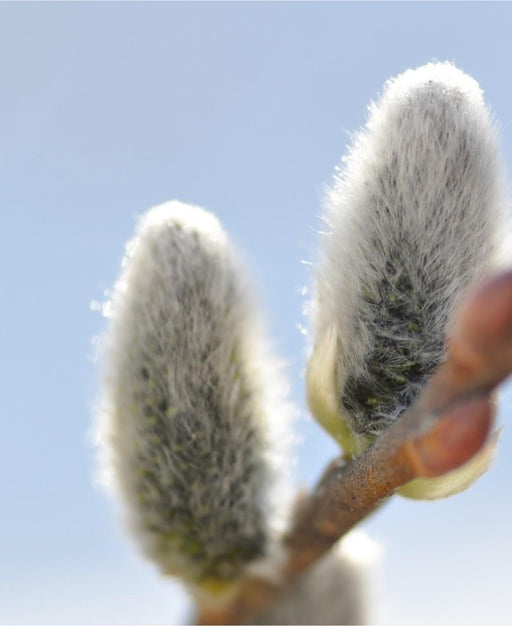
View full detailsSalix chaenomeloides One of the most colorful of the pussy willow family members; silver or purple-to-pink buds open to long, silvery 2 1/2” catkin...
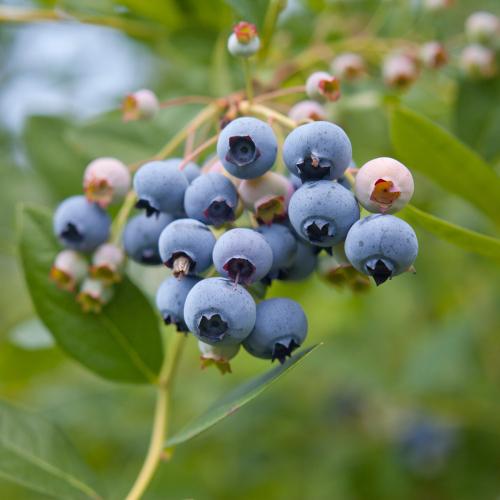
View full detailsVaccinium corymbosum ‘Bluejay’ The Bluejay Northern Highbush Blueberry is a robust variety developed by Michigan State University, perfect for USDA...
View full detailsVaccinium corymbosum ‘Biloxi’ Biloxi blueberries are notable for their bushy growth habit and high quality berries with excellent flavor. Yields of...
View full detailsFragaria x ananassa ‘Frisan’ Discover the exceptional blend of beauty and productivity with Bushel and Berry® Rosy Belle™ Strawberry. This distinct...
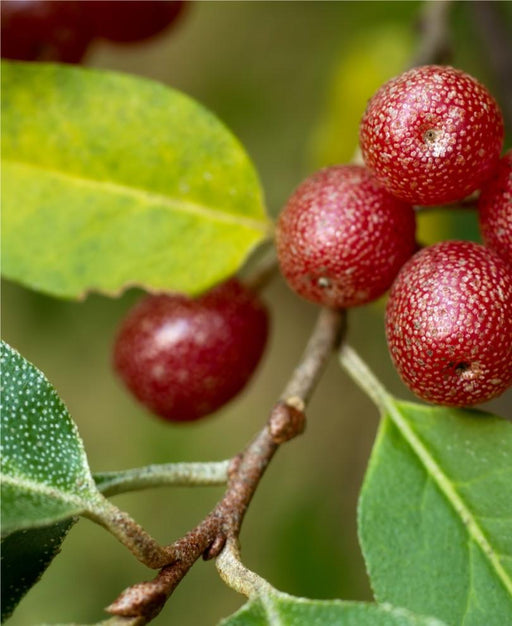
View full detailsProhibited to MA, MI, IL, ME, TN, NH, NY and CTElaeagnus umbellata 'Portugese Super Hero' We love when this Super Hero comes to the rescue! An Autu...
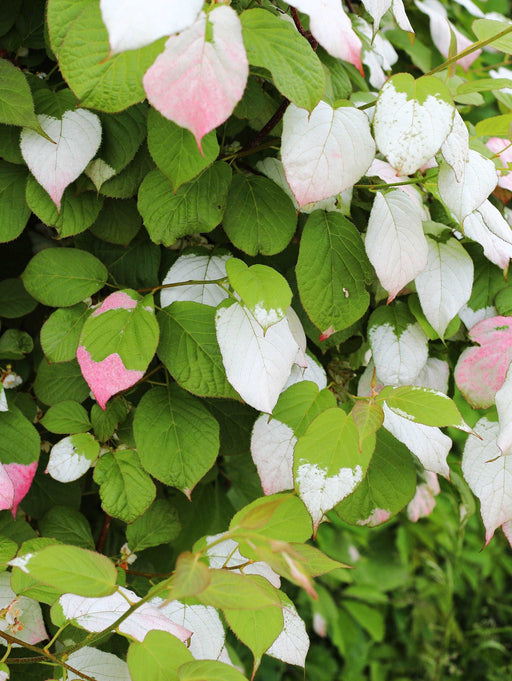
View full detailsActinidia kolomikta 'September Sun' This new female variety has the variegated foliage previously only seen in the male plants! Growers in moderate...
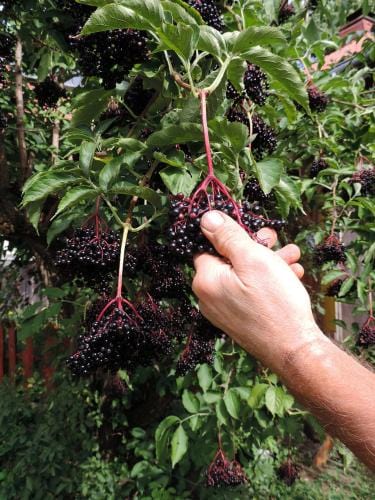
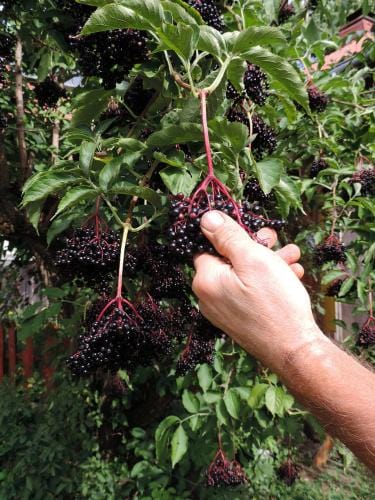
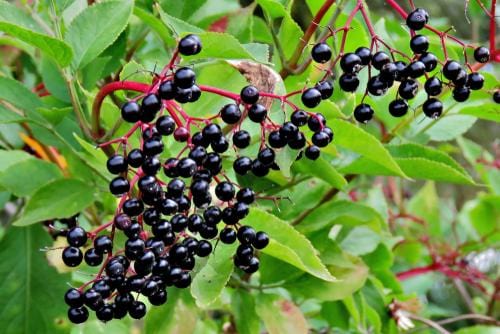
View full detailsSambucas nigra 'Samdal' A new Danish cultivar grown for its production of large clusters of flavorful fruit. The black berries ripen in late summer...
View full detailsSambucus nigra 'Samyl' This productive, commercial cultivar from Denmark has a vigorous, bushy habit that is similar to Samdal, but not as dense. P...
View full detailsSambucus nigra 'Allesoe' This lush newer Danish variety is being planted commercially in Sweden and Germany. It bears large crops of flavorful, hea...
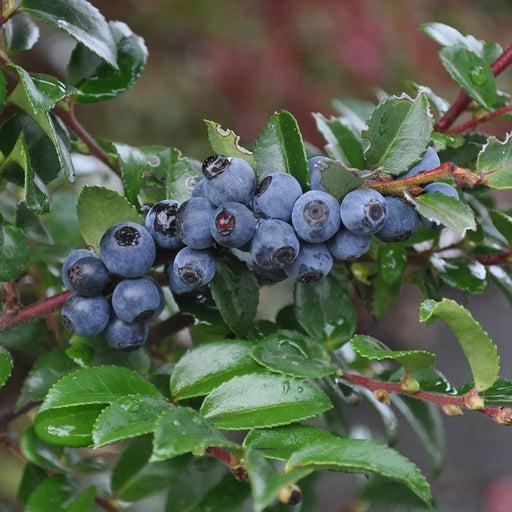
View full detailsVaccinium ovatum The best fruiting plant for your shade garden! A native of Pacific Northwest lowland forests, this evergreen bush is beautiful thr...
View full detailsVaccinium corymbosum 'MINI Blues' MINI Blues™ is a new cultivar that bears huge crops of small firm violet/blue berries in mid season that have a d...
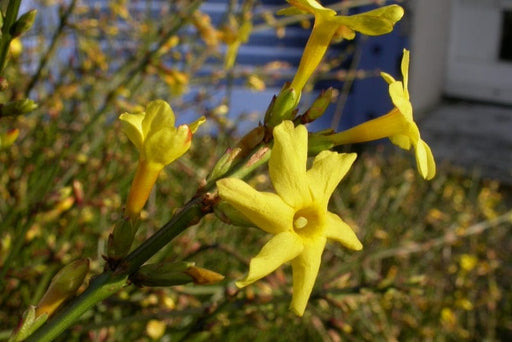
View full details(Jasmine Nudiflorum) Bright yellow flowers beginning in January make this vining shrub a treasure. It grows to 12' tall. This unscented jasmine lig...
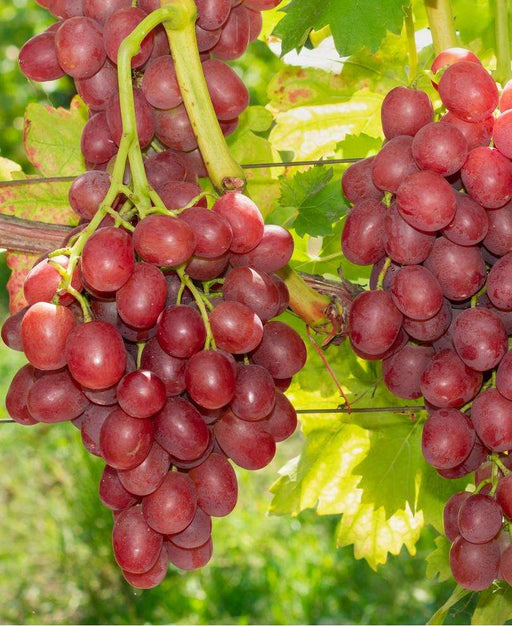
View full detailsVitis labrusca x vinifera 'Einset Seedless' Prohibited to OR, ID and NY. An early-ripening, very productive, bright red seedless grape from New Yor...
View full detailsChoose from a collection below to find it!
Fragaria moschata 'Capron' The musk, or hautbois strawberry, is a species of strawberry native to Europe - found growing from Scandanavia, into Eas...
View full detailsRubus L. subgenus Rubus Although thorny, Marionberry has such an incredible, rich, consistently sweet flavor that many people prefer it to any othe...
View full detailsRubus watson x 'Twilight' The Twilight Thornless blackberry is a new blend of eastern and western genetics, developed in Oregon State - USPP30879P2...
View full detailsRubus watson x 'Celestial' You'll thank your lucky stars for these exceptionally tasty berries! This innovative blackberry cultivar is the result o...
View full detailsVaccinium ovatum The best fruiting plant for your shade garden! A native of Pacific Northwest lowland forests, this evergreen bush is beautiful thr...
View full detailsShipping was within good times. Pot was damaged to to lack of restraint in the box. Plant has progressed well after a rest and an up-potting and fertilization. I was satisfied with this plant for price and plant quality at this time.
These raspberries are delicious, so sweet! A little fragile but that’s most raspberries.
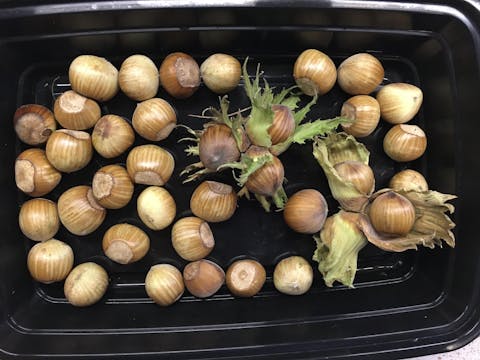
I planted "Wepster" hazelnut from Raintree Nursery in spring 2019. Now it is mature tee of 10 ft tall and produces tasty nuts. Nuts are not large, but there is very little free space between shell and kernel. Therefore, kernels are of comparable size to industrial hazelnuts, just 10-20% smaller. However, the flavor is wonderful. The tree is healthy, I see no signs of blight or any other disease. Wery well crosspollinate with "McDonald" hazelnut.
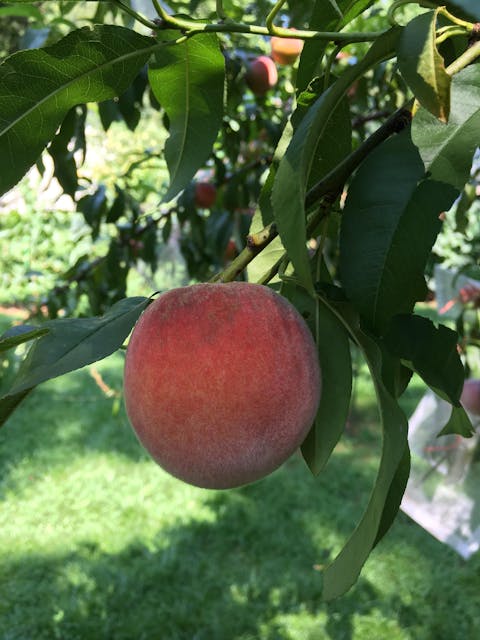
I planted "Frost" peach from Raintree Nursery in spring of 2021. In two years, it grew above 6 ft and flowered abundantly. "Hardired" nectarine is "Frost's" neighbor, therefore crosspollination likely increased the fruit set, which was so heavy that intense fining was necessary. Fruits started ripening by the beginning of August and were all-ready after 2 weeks (mid of August). Sun exposed side of peaches are covered with intense red blush, the pulp is yellow-orange and free-stone. Fruits are of excellent tase, more sweet than sour, juicy but not too much. Cases of split-pit are very rare (1-3 fruits from all harvest). I noticed some signs of leaf curl in spring (April or May), symptoms appearing for less than a month. Later disease disappears by itself ant the tree remains completely curl-free for the rest of the season.
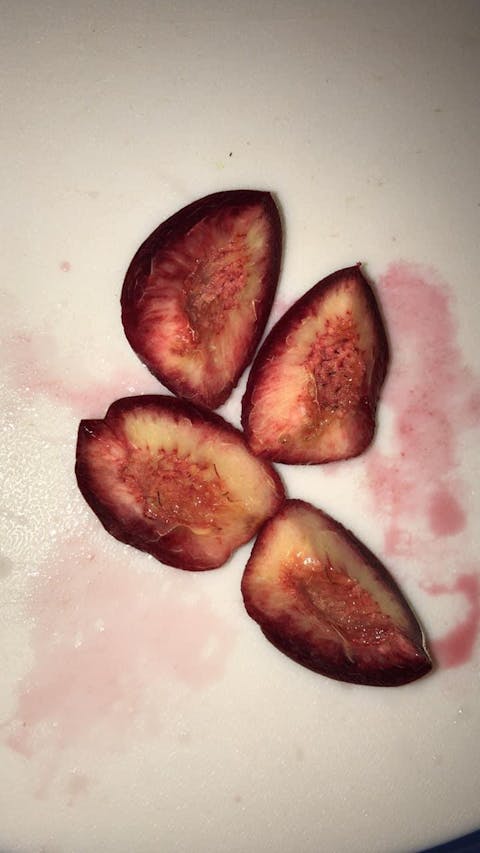
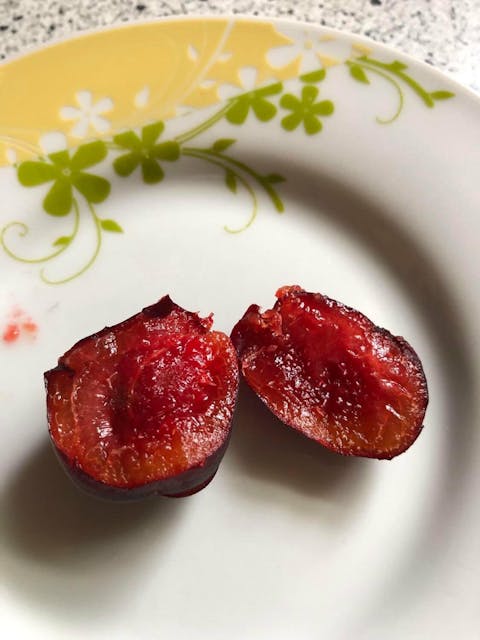
I bought this tree in 2019, and only in 2022 did it bear fruits. It bore fruits for a second time in 2023. The only issue I have is the name of the variety sounding racially insensitive. Rather than “Black Boy” or “Indian Blood”, I call it “Raven Haven”, due to the dark flesh and juice. Fruits are maroon on the very edge, under the skin, but they get more of a white burst towards the pit. When you slice them, the dark red juice bleeds into the paler part of the fruit, towards the pit area.
In Michigan, this cultivar is a late-season producer, in late September or early October, which thus extends peach season by a month. When fruit is optimally ripe, it is moderately sweet, and slightly tangy. I personally like to remove the outer skin from the fruits most of the time.
All in all, if you’re looking for a late producer, this would be the one to grow!
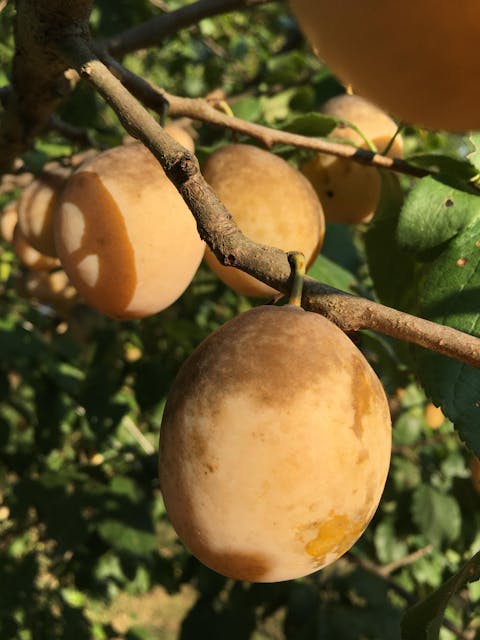
Planted in 2018 and the tree is now mature and in full production. Very well crosspollinates with "Stanley" and "Seneca" and sets an abundant crop. Ripens late, in south PA zone 7A first truly ripe fruits start coming on the second week of September. Plums are sweet&sour with a mild flavor, so wasps and hornets are little interested. Fruits are freestone, firm, moderately juicy, so perfect for canning and drying. Beautiful shape of fruits and yellow to orange color with little vax boom makes them unique (see photos uploaded). The tree shows strong disease resistance: leaves are exceptionally healthy, deep green and there are no signs of Black Knot year-after-year. However, fruits are moderately susceptible to Brown Rot (worth to try an organic-grade treatment/spray).
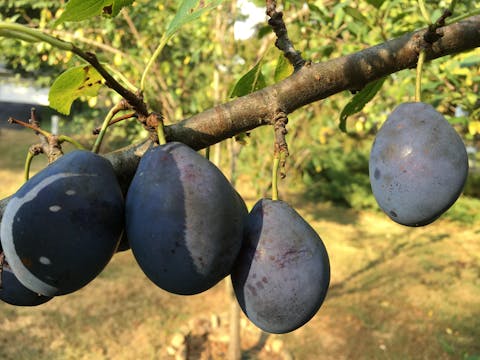
Planted in 2018 and the tree is now mature and in full production. Very well crosspollinate with "Seneca" and "Schoolhouse" and sets an abundant crop. Ripens late, in south PA zone 7A first truly ripe fruits starts coming on the second week of September. Plums are sweet and flavorful, so wasps and hornets try to get them part too... Fruits are completely freestone, moderately juicy, so perfect for canning and drying. Beautiful shape of fruits and deep blue color with vax boom, which makes the color look light blue (see photos uploaded). The tree shows significant disease resistance: leaves are healthier than "Seneca's" and fruits are less attacked by Brown Rot (just few). There is little susceptibility to Black Knot, but it is completely absent on some years, so resistance to this disease is strong.
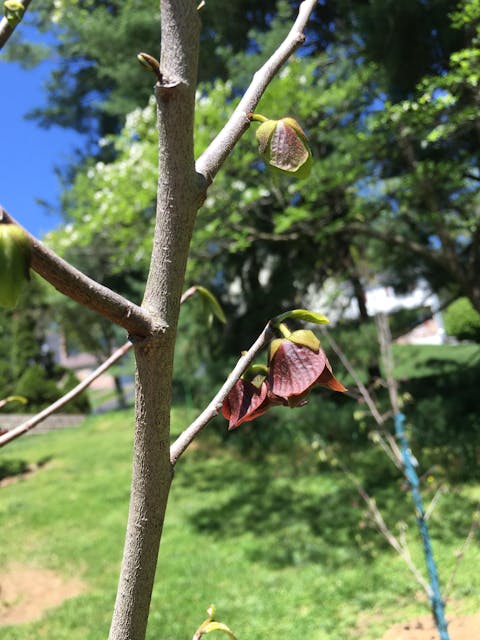
I received and planted "Shenandoah" in spring 2019 (in a pair with the "NC 1"). It started slowly initially during the first year, but ramped up in following years and reached 6' by 2022 when it bloomed (20-30 flowers, a solid & confident start). With hand pollination I succeeded to start few fruits. Absolutely delicious, mild flavor, low seed count, excellent quality fruit, exactly as described by the respected author N. Peterson. Leaves are of lighter green color, are smaller and do not droop rather are held more horizontally compared to “NC 1”, which makes both varieties distinguishable at a glance. "Shenandoah" blooms abundantly, now is APR 2023 ant the tree is covered with flower buds. In case of effective pollination, fruit finning may be needed to maintain fruit size and quality.
Update on 08 SEP 2023. This season "Shenandoah" set an abundant crop and needed fruit finning. Majority of fruits grew huge and beautiful, please see uploaded photos. Not ripe yet, but coming...
In its first spring with us, it bore a single fruit, which squirrels stole. Now, in its second summer with us, we have 11 fruit from it, and have already eaten two. They are ripe just now, in August, months later than our apricots and later than all but a few of our plums. Tlor-Tsiran is very pretty and tasty. Apparently out early-blooming Chinese Apricot is a good pollinator for it.
Not sure what plants grow best in your area?
The USDA Growing Zone Map is a great tool to understand which plants can survive and thrive in your area year after year.